

PDRN
Polynucleotide skin regeneration — for the patients who look tired rather than deflated.
PDRN is a polynucleotide treatment that signals your skin to repair itself: better hydration, calmer redness, finer texture and stronger collagen — with no added volume. It is delivered by microinjection or driven deeper with microneedling, in a series of three.
The treatment for skin that has stopped bouncing back.
There is a category of complaint that no injectable used to answer. Nothing has fallen and nothing is creasing, but the skin looks flat — dull under photographs, a little crepey at the cheek, quick to redden. That is a quality problem, and PDRN is the tool for it.
Polynucleotides are purified DNA fragments that act as a repair signal. Delivered into the skin they improve hydration and elasticity, reduce inflammation, and gradually improve the quality of the collagen you are producing. The change is progressive and reads as health rather than treatment, which is precisely the point.
It is also our most requested treatment for Charleston skin specifically. Sun, humidity and salt air create low-grade damage that pigment lasers address only partially — PDRN works on the resilience underneath.
Four changes, none of them volume.
Hydration
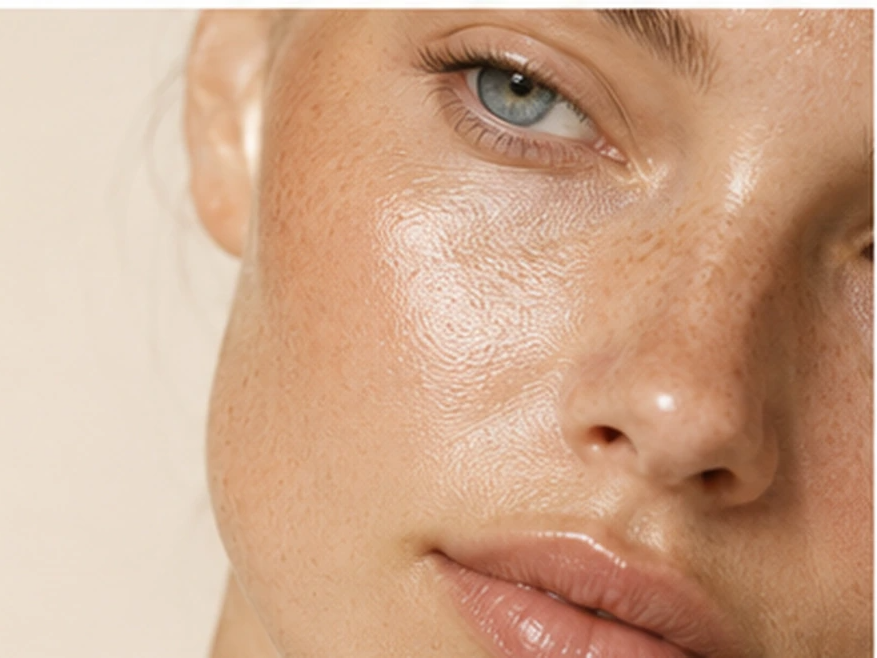
Skin holds water again. The immediate effect patients notice, and the reason the finish looks like glass.
Tone & redness
Inflammation calms, which evens out the flushing and blotchiness that makeup usually covers.
Fine texture
Crepey crinkling at the cheek and under-eye softens as elasticity improves.
Collagen quality
A repair signal rather than a filler — the improvement continues for weeks after each session.
Two ways we deliver it.
Both are available as standalone treatments and as add-ons to a facial or microneedling appointment. Member pricing shown.
The Society DNA Glow
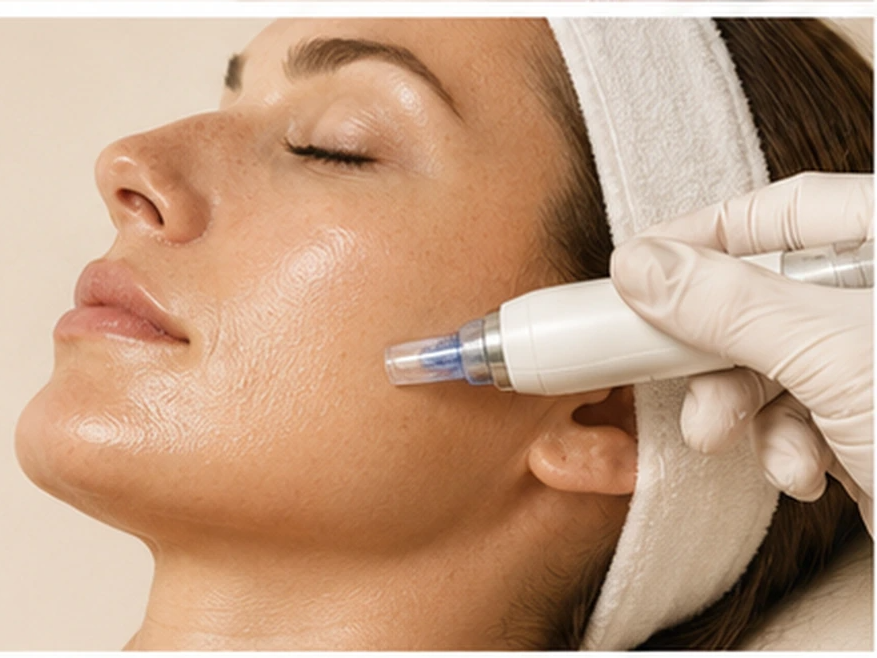
Add-onPolynucleotides driven through freshly created microchannels — the most efficient delivery we offer, added to any microneedling appointment.
The Glass Skin Protocol
PDRN + LEDPDRN paired with medical-grade LED light therapy. The LED calms inflammation while the polynucleotides work, for a notably even finish.

Quality before quantity.
Patients who invest in skin quality early need dramatically less correction later. PDRN is the most preservation-minded treatment on our menu.
What the appointment looks like.
Consultation
A skin assessment under magnification to confirm quality — not volume — is the concern.
Preparation
Cleanse and topical numbing for twenty minutes.
Delivery
Microinjection across the treatment area, or driven in with microneedling. Thirty to forty-five minutes.
Between sessions
LED and a simple barrier routine. We book your series three to four weeks apart.
Add DNA Glow for $125.
Members add The Society DNA Glow or the Glass Skin Protocol to a monthly treatment for $125 — the simplest way to run a PDRN series alongside everything else.
Frequently asked.
What is PDRN?
{{ s0 }}PDRN stands for polydeoxyribonucleotide — purified DNA fragments that signal your skin to repair itself. It improves hydration, tone, fine texture and redness without adding any volume, which makes it fundamentally different from filler.
How is PDRN different from filler?
{{ s1 }}Filler occupies space to restore structure. PDRN changes the quality of the skin itself — how hydrated, even and resilient it is. Patients who feel they look tired rather than deflated are usually PDRN candidates, not filler candidates.
How many sessions will I need?
{{ s2 }}A series of three, spaced three to four weeks apart, is standard for a visible change, with maintenance every four to six months. Improvement is progressive rather than immediate.
Is PDRN better with microneedling?
{{ s3 }}They work well together. Microneedling creates the channels that carry polynucleotides deeper, which is exactly what our Society DNA Glow upgrade does — $125 added to a microneedling appointment for members.
What is the Glass Skin Protocol?
{{ s4 }}PDRN paired with medical-grade LED light therapy, $125 for members. The LED calms inflammation while the polynucleotides work, which is why the finish looks so even.
Is there downtime?
{{ s5 }}Minimal. Expect mild redness and small injection points for a few hours, or up to 24 hours if combined with microneedling. Most patients are presentable the next morning.

Preserved. Never altered.
Consultations are unhurried and thorough. Historic King Street, Third Floor, downtown Charleston.